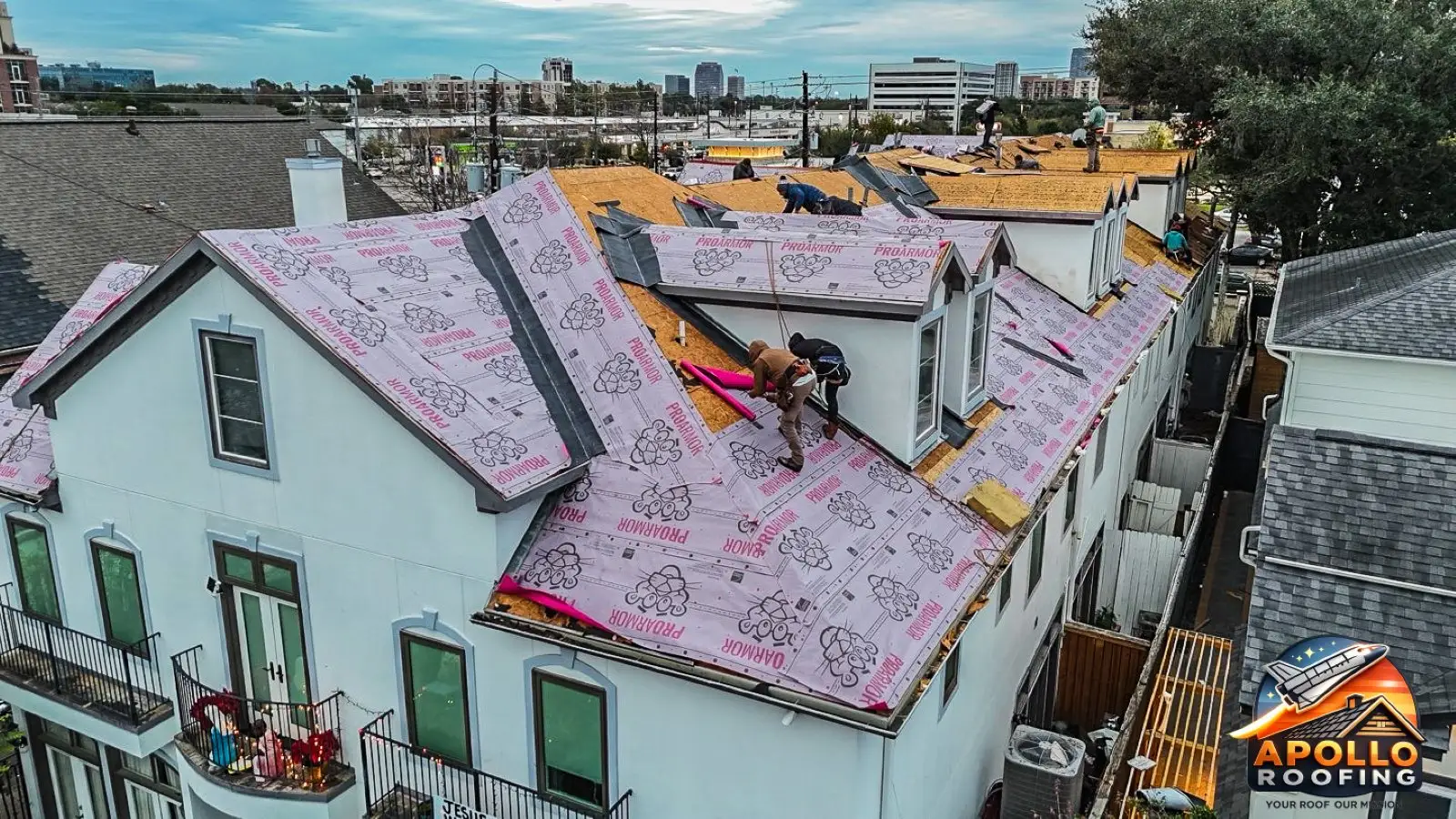
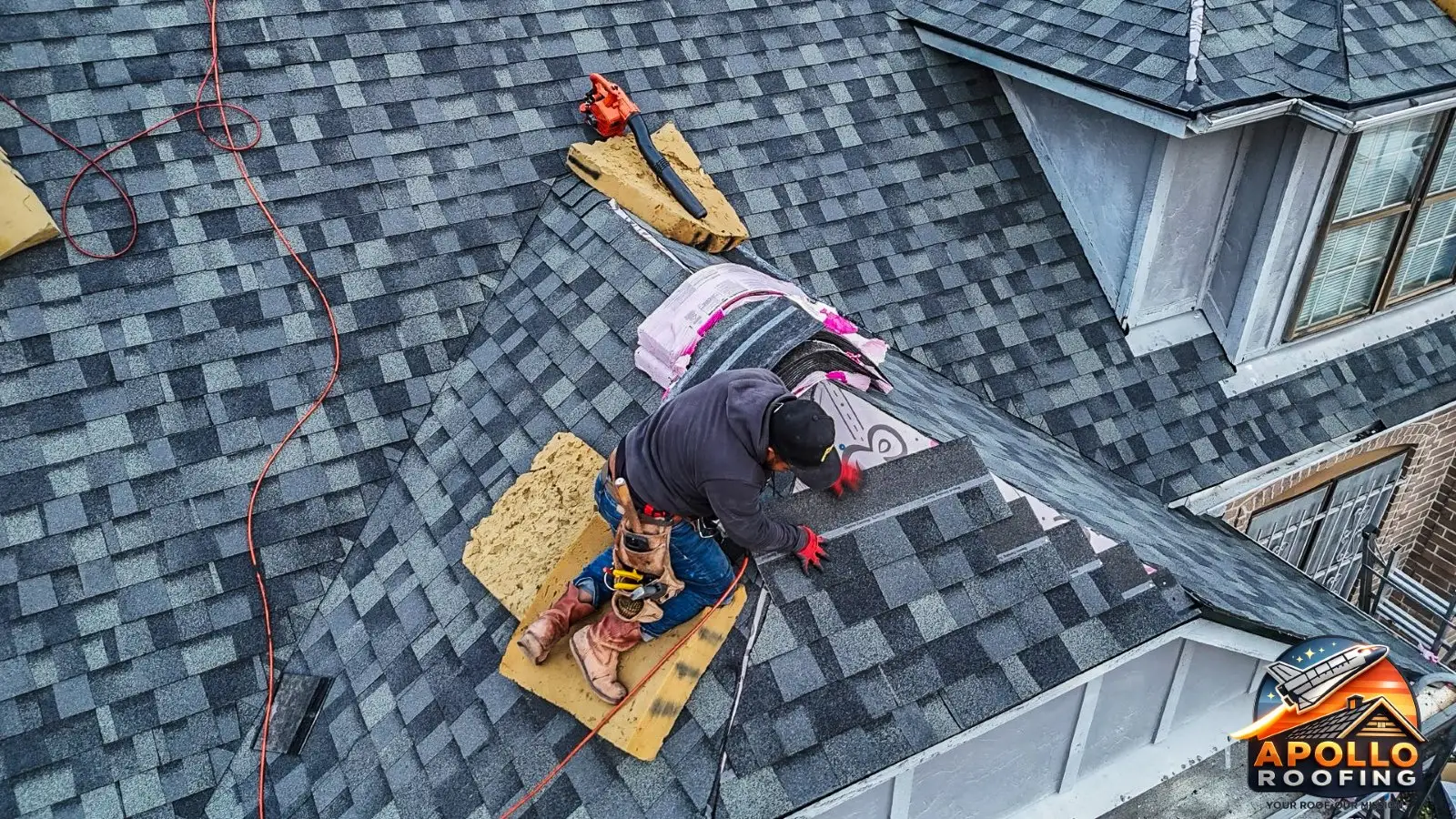
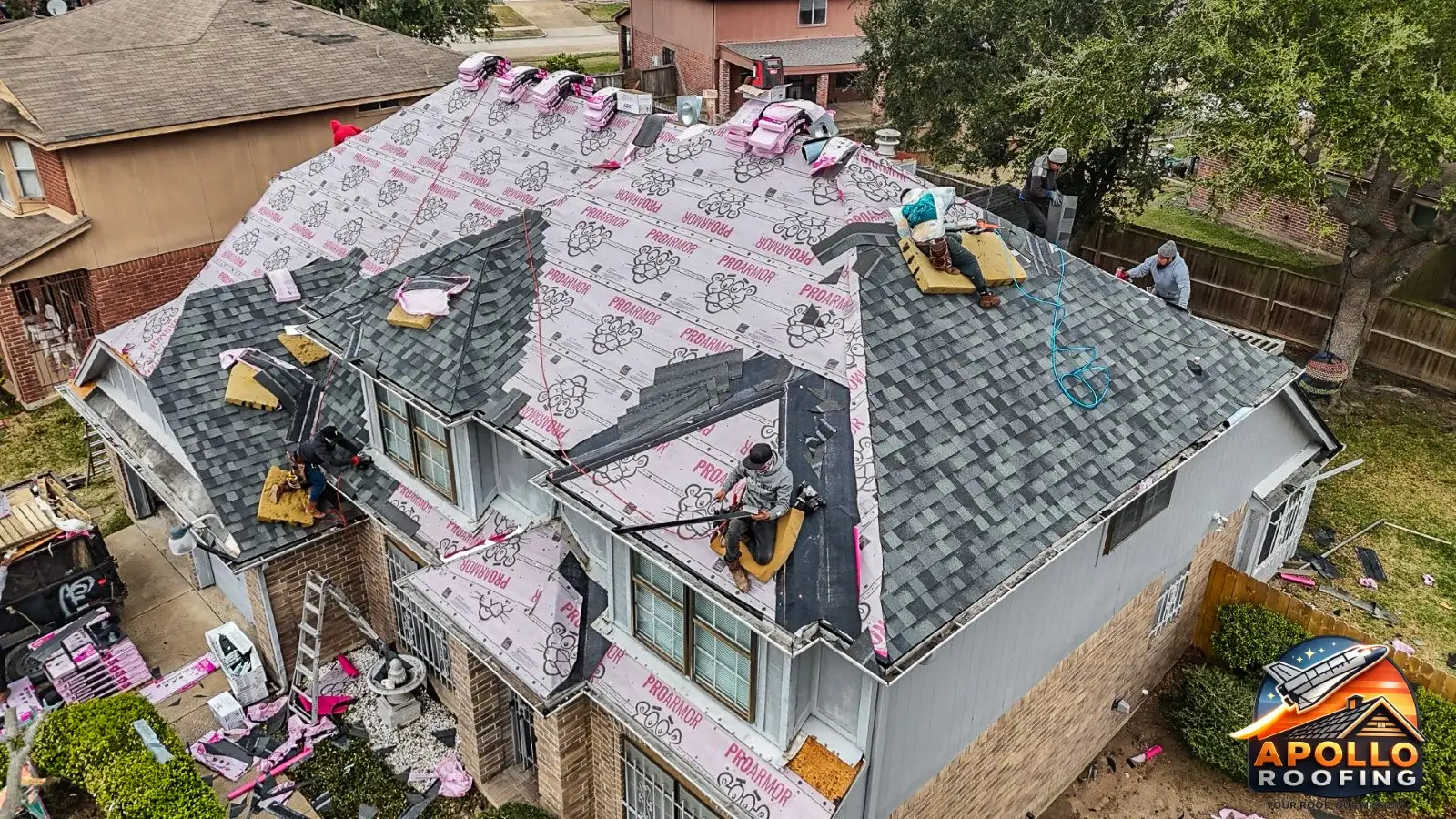
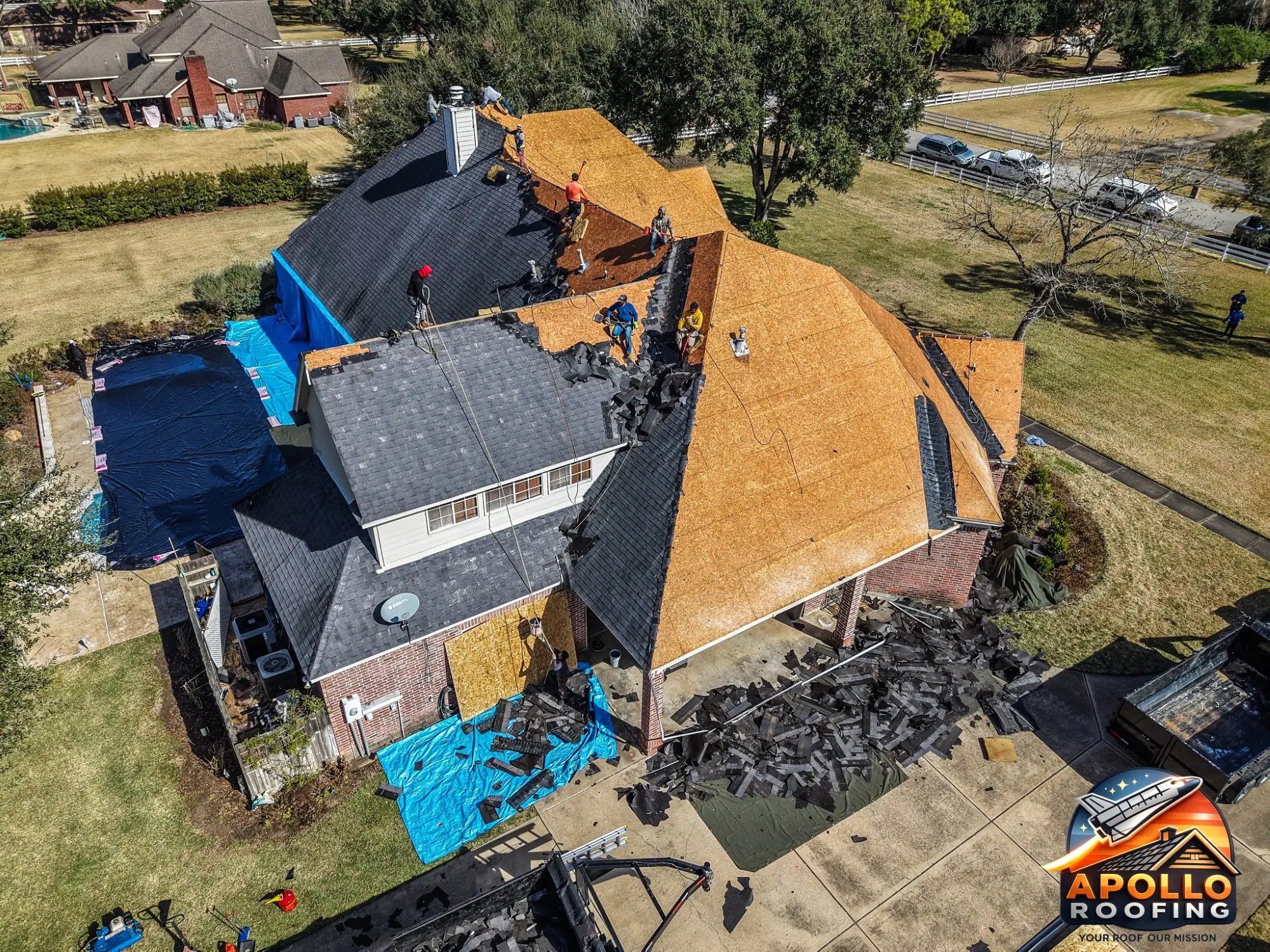
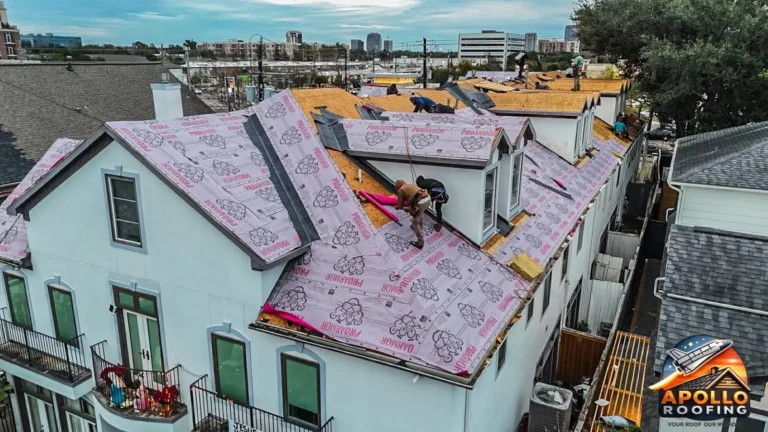
When it comes to protecting your home, what’s under your roof’s shingles is just as important as the shingles themselves. The underlayment—a hidden but essential layer—provides critical protection against moisture, leaks, and other damage. But not all underlayment is created equal. In this blog, we’ll explore the key differences between felt paper and synthetic underlayment, explain why it matters, and show you the results of our side-by-side demonstration.
What Is Roofing Underlayment, and Why Is It Important?
Underlayment is the barrier that sits between your roof deck and the shingles. Its purpose is to provide:
- Extra Protection Against Moisture: It acts as a backup barrier to keep water from seeping into your home.
- Durability During Construction: It shields your roof deck while shingles are being installed.
- Peace of Mind: A solid underlayment reduces the likelihood of leaks, mold, and water damage.
For homeowners in Houston and Texas in general, where heat, humidity, and storms are common, having the right underlayment is especially critical. Unfortunately, the wrong choice can lead to expensive repairs and even health risks, like mold growth.
Roof Felt Paper: Traditional, But Full of Drawbacks
Felt paper, also known as asphalt-saturated felt, has been a traditional roofing material for decades. While it’s a budget-friendly option, it comes with significant downsides—particularly for homes in challenging climates like Houston.
What We Found in Our Test:
- Felt paper absorbs water, becoming saturated and weakened when exposed to moisture.
- Once wet, felt paper is a breeding ground for mold, which can spread through your attic and cause health problems.
- When we walked on a demo roof with felt paper underlayment, it ripped easily and failed to hold weight or friction. This makes it less safe during installation and repairs.
The Takeaway: Felt paper may save you money upfront, but it’s far more likely to lead to leaks, mold, and costly repairs over time.
Synthetic Underlayment: The Smarter, Safer Choice
Synthetic underlayment is made from durable polymers designed to resist water, tearing, and other wear and tear. It’s a modern solution that offers superior performance in all types of weather.
What We Found in Our Test:
- Synthetic underlayment is water-resistant, meaning it doesn’t absorb moisture or allow mold to grow.
- Even under pressure, synthetic underlayment held its shape and resisted ripping, providing a stable surface for walking.
- It’s lightweight yet strong, making it safer and more durable for roofing projects.
Why Synthetic Is Perfect for Texas Homes:
- Humidity Protection: Unlike felt paper, synthetic underlayment won’t degrade or mold in Houston’s humid climate.
- Storm Durability: It provides an extra layer of protection during severe weather, preventing leaks and damage.
- Longevity: Synthetic materials last longer, giving homeowners better value over time.
Why Leaks Happen (And Why Mold Might Be to Blame)
If your roof is leaking, there’s a good chance the underlayment is part of the problem. Felt paper, when exposed to water, loses its ability to repel moisture. This often leads to:
- Persistent Leaks: Water can seep into your roof deck and attic, causing ongoing damage.
- Mold Growth: The absorbed moisture creates an ideal environment for mold, which can spread and become a health hazard.
- Structural Damage: Over time, water and mold weaken the roof deck, potentially leading to costly repairs.
Switching to synthetic underlayment or replacing damaged felt paper can stop leaks and protect your home from further damage.
See the Difference: Watch Our Video
To help homeowners understand the importance of choosing the right underlayment, we performed a demonstration. Watch as we compare felt paper and synthetic underlayment in action:
- See how felt paper absorbs water and becomes a mold risk.
- Watch synthetic underlayment resist tearing and hold up under pressure.